Category: blog

Cash Prize Win – Epic Hit Money

Danger! High Voltage 2 Slot – Unified Guide to Megadozer Coin Dozer, Megaways-style variable ways, Bonus Choice Free Spins, RTP Variants, and Max Win Potential

Danger! High Voltage 2 is a very swingy feature-led video slot often attributed to Big Time Gaming and distributed through catalog listings and casino libraries. The main hook is rare-but-loud payout timing: you may see long stretches of low-intensity play until Reaction Wins extend a spin, and then multiple mechanics can stack fast into one memorable payout. In theme, the sequel keeps a loud neon machine aesthetic, but expands the structure with reaction-style cascades, variable ways up to a top listed cap, and a signature coin-pusher device called the Megadozer that pushes coins onto the reels during spins and cascades.

This consolidated overview merges the most complete overlapping information into one consistent reference. If you see different RTP values listed on different pages, the most player-friendly interpretation is RTP variants enabled by different operators, so verify the RTP inside the game rules menu before you commit real money.

Danger! High Voltage 2 – essential numbers and what they mean in practice

Across the common reference sources, the identity is consistent: the game is built for sharp variance with a max-win headline that signals extreme upside and a Megaways-style maximum ways count. It’s frequently repeated that RTP can differ by operator, which is normal for distributed titles.

Spec Consolidated Value Why It Matters
Studio / Brand Commonly attributed to Big Time Gaming; frequently distributed via catalog listings (for example, Relax Gaming’s catalog presence) Explains broad availability across casinos and regions
Variable-ways cap Megaways-like expansion with a widely referenced maximum of 117,649 ways More potential symbol routes can increase swinginess
Core mechanic Cascading Reaction Wins combined with coin-based modifiers Cascades keep a spin alive and create more feature opportunities
Variance High variance with reviews emphasizing dry spells and sharp spikes Expect quieter stretches and occasional explosive moments
Return to player Typically listed around 96.77% while clearly described as configurable Always verify the exact RTP in your casino’s info panel
Maximum Win Advertised ceiling often shown as 52,980x High max wins typically come with high volatility

The practical lesson from these specs is simple: variance is the point of the design, and RTP may be configurable before you treat any number as definitive.

Base game structure: Reaction Wins, variable ways, and momentum-driven events

Cascades in practice: High Voltage 2 why chains create more feature windows

The game uses Reaction Wins as its core resolution engine: when a win lands, the winning symbols are removed, then remaining symbols drop and new ones fall into place. New wins can appear immediately, creating a multi-step chain. This is important because Megadozer coin events can occur during these chains. The extra “time” inside a spin isn’t only about more hits: they increase the number of chances for coins to land, which is how average sequences can turn premium.

Megaways-like structure: more routes, more volatility

Rather than classic paylines, the game is commonly described as a variable-ways title, reaching up to 117,649 ways when reels expand. In real gameplay, this means the number of symbol positions can change, creating more possible connections per spin. But the tradeoff is volatility: many spins resolve quickly, while rare chains and modifiers define the best outcomes—especially when Megadozer events hit during long cascades.

The Signature Mechanic: Megadozer Coin Dozer and Bonus Coin Outcomes

The Megadozer is the system that gives the sequel its identity. Positioned above the reels like a coin-pusher cabinet, it can drop feature coins in both the base game and extended chains. Each coin can convert into an effect that drive bonus entry and amplify chains. Because coins can land during cascades, the whole experience feels sequence-focused: the longer the chain, the more chances coins matter.

Megadozer Coin Result Effect Session Impact
Bonus-building coin Turns into a scatter symbol Can accelerate the “3 scatters” requirement during chains
Multiplier increase Adds multiplier power to the round (rules depend on the state) Can turn ordinary reactions into bigger totals
Wild / Feature Wild Coin Drops a wild into the reel window; bonus rules may add extra power In the right bonus mode, wilds become a main path to max-win chasing
Extra Spins (in certain bonus contexts) Adds spins instead of a symbol modifier (when allowed by the mode) Increases the opportunity for multiplier/wild setups to land

The simplest way to frame Megadozer is as a bridge: the standard swinginess of Megaways-like structure and the mode-based payout amplification. Coins create additional paths toward scatters, and during free spins they shift from “nice extra” to “core engine”.

Scatter Rules and the Bonus Choice Feature

The main feature entry is typically described as requiring 3 scatters. One important nuance in long-form breakdowns is that scatters can remain in view during Reaction Wins, so a chain can continue and add more scatters without resetting the situation. When you hit the scatter threshold, the slot opens a Bonus Choice where you pick one of two Free Spins modes: Fire In The Disco mode or Danger Danger!! Free Spins. This adds a genuine preference lever because the two modes emphasize different value drivers: a “sustain” rhythm vs a “scale” rhythm.

Fire In The Disco mode: how it plays and who it suits

Fire In The Disco! is often described as the more compact bonus. Many descriptions state it begins with six free spins. The key identity is coin-driven wild pressure where Megadozer coins can turn into wilds that stay for a limited number of wins or add +1 spin. Since entry spins are fewer, this mode often leans on extensions to stay alive and creates value through ongoing wild pressure.

Who usually likes Fire In The Disco? If you like a bonus that “fills the screen” with wild influence often pick this mode, because it can offer more frequent setup moments, even though it remains swingy.

Bonus Mode 2: Danger Danger!! Free Spins

Danger Danger!! is commonly presented as the higher-ceiling mode. Many summaries state it starts with twelve free spins. Its core mechanic focus is that Megadozer coins can place Feature Wilds tied to a multiplier state. A common explanation is that the initial feature multiplier wild is set to x2, and subsequent qualifying events can raise that multiplier step-by-step. This is the reason reviews often label Danger Danger!! as the “ramp to a big moment” mode: when coins land repeatedly during an extended chain, outcomes can jump rapidly.

Feature Element Fire In The Disco! Danger Danger Mode
Initial free spins Often listed as 6 free spins Commonly described as 12 FS
What matters most Coin-driven wild setup with “keep it alive” additions Growth-focused multiplier escalation during long chains
How it plays Structured “pressure” across a compact window Chase-style mode built for big swings
Best fit Players who like visible wild structure and feature longevity Those who prefer a higher-ceiling feel

Both modes remain high volatility because the biggest results require alignment. But the Bonus Choice menu gives you a useful strategic preference: feature longevity and wild pressure versus ladder-style scaling and big-moment chasing.

Try-before-you-play: demo mode, Bonus Buy availability, and RTP checks

Some casino builds may offer a buy-bonus option, letting you enter the Free Spins choice without waiting for a natural trigger. However, availability varies by jurisdiction and operator policy, so the only reliable approach is to look inside the game’s settings/info panel. If a buy-bonus button exists, treat it as an advanced feature: it can help you sample the bonus quickly, but it also increases short-term variance.

Since the game is built for spikes, demo play is the smartest first step. A good demo session is not about confirming predictable streaks; it’s about understanding pacing. Focus on a small checklist: (1) whether chains feel common or rare, (2) how frequently Megadozer coins land in base play, (3) which mode matches your risk taste, and (4) whether the casino shows RTP information and what value it displays.

Operator RTP variants: what to check before you deposit

Across listings, a typical RTP reference is around 96.77%, yet catalogs and databases often note operator variants. In practice, that means two casinos can offer the same title with different RTP settings. If you’re comparing casinos by “best RTP”, do this simple routine: open the game’s info screen. If the RTP isn’t displayed, you’re left with treating listed values as approximate—which is why many experienced players choose casinos that clearly display RTP and limits.

Bankroll discipline for high volatility: simple rules that actually help

High-volatility slots concentrate value into fewer events. That can be exciting, but it also means long downswings are normal. If you play for real money, build a basic safety framework: set a session budget, define a stop-loss, and stick to stable stakes. If Bonus Buy is available, treat it as an advanced variance feature: it reduces waiting time, but it also compresses risk into fewer outcomes.

Before you play: RTP check, bet limits, withdrawals, and demo-first advice

When selecting a platform, verify the real operational details that affect your session: bet range and maximums, withdrawal rules, verification flow, and payment speed. A smooth cashier won’t guarantee wins, but it will help you avoid surprises around caps or delays.

Check Item What to Look For Practical Impact
Configured RTP Verify RTP in the casino’s game information window Prevents relying on a random listing that may not match your build
Bonus Buy availability Check the feature menu for purchase entry (if allowed) Helps you choose demo vs real-money approach
Table limits Confirm your preferred stake fits within the allowed range Helps align volatility with your budget
Withdrawals & KYC Read withdrawal limits, processing times, and ID requirements Reduces the chance of delays after a strong hit
Practice option Learn controls and volatility feel for free Best way to decide if you enjoy the cadence

Final summary: momentum slot with Megadozer coins, cascades, and bonus choice

Danger High Voltage 2 is a high-volatility “big moment” game where cascades extend the action window and the Megadozer injects coin-driven modifiers. The choice menu is a standout: choose Fire In The Disco! for wild pressure and extensions, or Danger Danger mode for a scale-and-spike ladder. With a widely listed ceiling of 52,980× and typical RTP references near 96.77% (subject to operator variants), the design clearly prioritizes extreme upside over steady returns. Start in demo, verify the RTP at your chosen casino, and play only with limits that match the volatility.
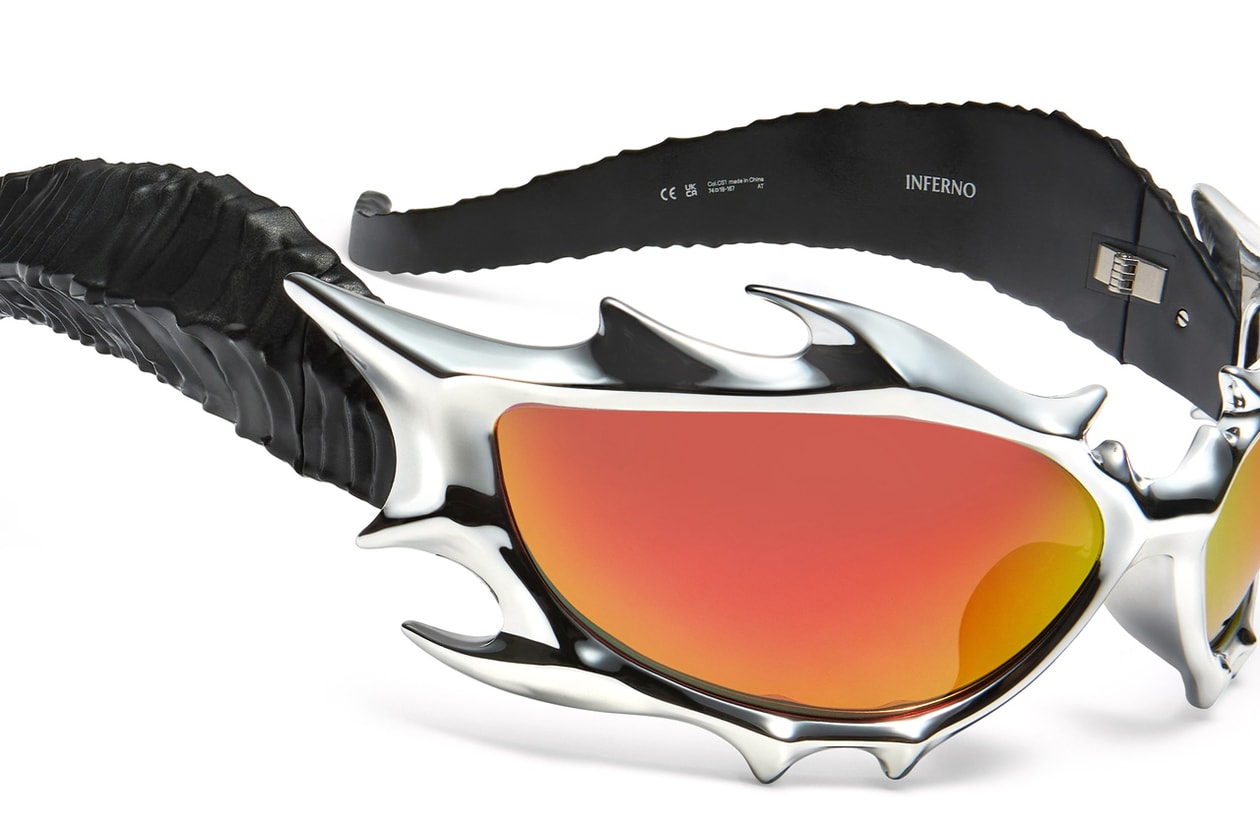
Gentle Monster LA California Location Sunglasses Flash Sale 35%

GM Glasses 2025 Purchase Manual: Everything We Cover

This guide decodes GM glasses for 2025 buyers, with clear pricing, fit tips, alongside actual choices that endure up. You get practical evaluations, build tests, plus methods for preventing fakes avoiding assumptions.

Commerce utilizes “GM specs” like brief notation of Gentle Monster, this Seoul-based eyewear label famous for artistic structures, museum-quality stores, plus celebrity alliances. Such shortening creates confusion across platforms that posts blend real, secondhand, and replica inventory, so this manual focuses on official retail benchmarks and detectable quality details. The focus is on sunglasses plus prescription frames customers may realistically acquire currently, what they cost by category and area, which silhouettes age well, plus sizing details controlling fit. Get honest feedback on lenses, hinges, plus materials, since endurance weighs as importantly as aesthetics. If you are comparing this brand against other premium designer glasses, these sections below will explain GM’s succeeds and spots needing examination.

How is “GM spectacles” signify during 2025?

For 2025, “GM specs” becomes frequently applied to indicate the Gentle Monster brand—including sunglasses and optical pieces. This doesn’t doesn’t point to specific design rather the entire brand’s catalog and collaborations.

Gentle Monster, founded back in 2011 from Seoul, constructed its reputation on striking, modern shapes and engaging boutiques serving as rotating art installations. Because “GM” appears across style references plus enthusiast discussions, online retailers commonly shorten descriptions, causing is why buyers see “GM Her 01” and “GM Lilit 01″ instead than the complete company title. This company’s titling system usually combines one design title to shade number—”01” almost always denotes black—followed by size specs. Grasping this abbreviation assists in hunting more accurately, compare stock across locations, and remove out irrelevant or dubious outcomes.

What do Gentle Monster frames in 2025?

Typical 2025 retail prices for Gentle Monster span between $250-$350 dollars for basic frames, with collaborations and exotic materials priced higher. Regional MSRPs fluctuate slightly following tax plus exchange calculations.

The grid following details regularly noted MSRP/RRP ranges across official channels and approved vendors during final 2024 into initial 2025. Partnerships could surpass the peak of these bands, and rare launches across secondary markets demand gentle monster higher prices. Buying abroad may modify your actual cost after tax refunds, duties, and conversion costs are included, thus compare final checkout sums, rather than label rates. Prescription frames minus corrective lenses usually sit toward the cheaper range, whereas filtered or designer tints increase price. Should fresh, popular style appears significantly beneath these spans, view it as a danger flag.

Category Standard 2025 Price (USD) Normal 2025 Price (EUR) Standard 2025 Cost (KRW)
Standard acetate eyewear $260–$320 €270–€340 ₩320,000–₩420,000
Metal sunglasses $280–$360 €290–€380 ₩350,000–₩460,000
Optical frames (no Rx lenses) $230–$300 €240–€310 ₩290,000–₩380,000
Co-branded / exclusive editions $350–$600+ €380–€650+ ₩450,000–₩780,000+

Which GM models are worth buying now?

For sustained wearing, focus on GM’s dark plastics plus tested rectangular shapes—consider Her 01, Lilit 01, and Lang 01—plus a partnership should you need a standout choice. These picks balance brand DNA, face coverage, plus longevity.

The Her 01 continues trustworthy regular driver because its somewhat big angular design offers statement minus dominating thinner visages; it further coordinates effortlessly with minimalist outfits. Lilit 01 presents a sleeker rectangle that hints at 2000s minus seeming temporary, rendering it a wise alternating item beside your primary pair. Lang 01 trends more striking sporting denser border and expanded piece for peripheral light protection; should you sport your frames hard, that surplus material supports preserving form. Partnership series—like the Gentle Monster’s partnership with × Maison Margiela MM series or the Jennie “Jentle” range—offer special bridges, covers, or glass shapes; select one should you need couture appeal, though anticipate elevated prices and faster stock depletion. Should you require Rx, examine Gentle Monster’s prescription department seeking identical silhouettes in lighter builds, then fit thin optics for maintain comfortable weight.

Size and fit: getting it right

Correct fitting opens with printed measurements within the arm: glass measurement, bridge width, and temple length. Match those to frames you already own that fits well to avoid guesswork.

For most medium faces, glass diameter near 50–53 mm, bridge 19–22 mm, and arm 145 mm offers reliable starting point; broader and circular visages typically expand up 1–2 mm in lens width enhancing coverage. If you have shallow nasal structure and elevated cheekbones, prioritize frames offering flexible nose cushions and tighter nose bridge for stop movement, notably in heat. GM’s acetate saddles can be temperature-adjusted through opticians, but metal frames with pads afford more micro-adjustments among various nasal shapes. Weight matters also: reduced-weight optics and proportioned sides decrease uncomfortable spots beyond the ears throughout extended use.

Lens and build excellence, clarified

Gentle Monster eyewear arrives with UV400 protection, stopping 99–100% of harmful rays; treatments differ per design, while polarization features within specific items instead of throughout every piece. Frames use a mix of molded acetate and metal including robust hinge hardware ensuring steadiness.

Physically, excellent plastic shows consistent color throughout, crisp angles, and refined completion around borders plus surrounding pivot points; fogginess, flashing, or rough seams are quality defects. Multi-barrel hinges must operate with even tension and shut minus noise; bolts placed evenly and thread-locked resist loosening under heat. Glass within the core line are generally CR-39 or plastic; each may deliver visual precision with proper coatings, while nylon brings shock resistance across coverage styles. When you plan to mount Rx glass, have your professional check glass base arc and frame wrap so vision stays precise following installation. Regarding automotive and aquatic use, filtering proves worth the premium, though for digital displays and office environments, a non-polar lens including reflection control could be more practical.

What methods help dodge replicas during purchasing GM?

Buy from official boutiques and authorized retailers, and treat significant markdowns for new-season styles with doubt. Examine style numbers, etching standards, mechanism touch, and container regularity.

Genuine Gentle Monster etches model designation, hue identifier, and size on the inside temple in crisp, consistent lettering; sloppy fonts, misspellings, and misaligned markings are warning signs. The acetate should seem solid, versus hollow, and the lens tint should stay consistent between both sides minus color shifting alterations near perimeters. Materials change between series, yet containers, microfiber, and documentation should correspond to present current season materials, not generic substitutes. For pre-owned purchases, demand close-up pictures showing the arm markings, mechanisms, and bridge area, and requesting original original proof of purchase if available. Expert tip: “Carry affordable UV test card and light; authentic UV400 optics don’t darken the card, while rapid mechanism test—smooth, straight, with no lateral wobble—filters out most replicas instantly.”

Current fashion plus style elements that actually last

When you need stylish but functional, anchor on slim shapes, gently angular D-frames, and translucent tones. These options operate between urban fashion, tailoring, and athleisure without becoming outdated rapidly.

Golden brown filters and soft smoke glass appears contemporary yet remain functional inside; they additionally pair cleanly with silver hardware that feature prominently during season. Semi-transparent gray and brown materials lighten heavy silhouettes, notably for petite heads, while capturing effectively under varied illumination. Shield-influenced designs and wrap co-brands reappear, yet they work best adaptable using subdued optic tones instead of reflective surfaces. When your style trends minimalist, allow frame substance to serve as your accent; should you choose more vibrant materials, pick narrower borders so eyewear frames won’t clash with your outfit.

Maintenance, optic swapping, plus service fundamentals

Wash glasses using lukewarm water, dab a small amount of gentle cleaning solution, and wipe with a clean cloth; skip alcohol contacting acetate and prevent heated surfaces. Place inside the container ensuring joints are not stressed in bags.

Rx glass replacements prove simple across many GM vision pieces plus numerous sunglasses; bring the pieces to qualified vision specialist and requesting treatments matching your usage requirements. Lightweight glass keep weight down with higher prescriptions, while digital-light finishes are optional if you currently use low-reflect AR. If an arm becomes loose, have a professional reinstallation plus securing the screw rather than over-tighten at home, which can damaging threads. Coverage conditions may differ across locations plus retailer, so keep purchase documentation while recording production problems promptly for expedite repairs.

Five details regarding GM specs you probably didn’t know

Firstly, the brand started in 2011 from Seoul while is globally recognized for stores that serve as creative environments with exhibits that frequently update. Additionally, the company’s style references employ predictable structure: model names is followed by shade numbers—”01″ usually indicates black—and dimensional markings such as 52–21–145. Third, GM publishes precise frame measurements on product pages while stamping them on the temple, enabling distance fit assessment practical should you evaluate a pair you already own. Fourth, numerous shade shapes reappear across seasons with different shades, so you can frequently purchase tested proven shape without pursuing specific year’s drop. Fifth, collaborations are designed and released under the Gentle Monster umbrella, meaning core construction quality plus sun protection extends through even when the aesthetic pushes bolder.

Who ought to purchase GM eyewear now?

Pick GM should you want sculptural, trend-setting glasses featuring trustworthy ultraviolet blocking and components that stand daily use. Skip it only if you need specific performance capabilities exceeding style requirements.

Regarding single-purchase everyday glasses, choose Her 01, Lilit 01, or an equivalent black acetate shape matching your dimensions. Should you currently possess a classic, add one co-brand for times requiring crisper lines and full coverage for complete shielding. Shoppers featuring shallow nasal bridges ought to favor adjustable-pad models or budget for expert fitting adjustment on acetate. Should the posted rate seems unrealistically good to be genuine, utilize the sizing stamp, temple text, mechanism touch, and fast sun protection test to safeguard your investment; through these inspections, acquiring GM in 2025 is straightforward plus satisfying.

Elite Denim Tears Hoodie Official Website Directory Overview Sale 35% Off

Caring for Denim Tears Hoodies: The Complete Fade-Safe Method

It’s possible to wash a premium streetwear hoodie without compromising color by adhering to seven tight procedures: turn the piece inside out, address stains gently, use a color-safe liquid detergent, select low-temperature and delicate modes with low agitation, load smartly, incorporate an extra cleaning phase, and air-dry horizontally out of harsh sun.

Here’s a premium luxurious fleece garment containing graphic prints that behave differently than plain basics. The ink film across the surface is vulnerable to wear and high heat, and the core dye can transfer if the cycle is too hot or too alkaline. A few modifications in prep, formulation, and mechanics substantially reduce fading, damage, and pilling. Our method below has been built for enthusiasts who want this piece to maintain day-one for months, not just endure a cycle. Every step has specific reason rooted based on how inks plus dyes actually respond to laundering.

When Denim Tears graphics fade faster—and methods to stop damage

Fading and graphic deterioration come from four culprits: abrasion within the drum, excessive heat in cleaning or dry, aggressive alkalinity or whiteners in detergent, plus residue left on the surface. Minimizing those variables protects saturation and keeps the print layer flexible and intact.

These premium hoodies are typically heavyweight cotton fabric, often garment-dyed plus pigment-dyed for vibrant tone, then screen printed. Pigments sit closer to the fiber surface versus reactive dyes, thus aggressive washing strips color faster. Print inks form a thin, semi-rigid layer; too much stress under heat or rough spin produces micro-cracks that appear as “fade.” The fix is simple: lower the wear, lower the heat, lower the alkalinity, and keep the surface clean of leftover soap with lint.

Consider also the problem of mixed combinations. Denim, zippers, with rough textiles work like sandpaper across a print. Though if you select perfect detergent and temperature, denim tears hoodie a bad companion piece will do more harm than the cycle itself. Turning your hoodie inside out and using one fine-mesh garment protector reduces face friction and lint migration, which is why every care process below starts using prep instead than machine settings.

Should your hoodie features specialty inks such as puff or raised designs, they expand plus soften under heat during printing and can compress plus crack if excessively heated later. Treat every prints as heat-sensitive and choose natural drying over tumble at all times possible. A little patience on your drying rack exceeds permanent shine, hardening, or gloss areas that show appear after hot thermal processing.

Multiple little-known, verified maintenance facts that assist: pigment-dyed cotton releases dye more quickly in hot or high-alkaline washes, therefore cooler and less harsh is non-negotiable; chemical brighteners designed intended for whites can make darks look dusty or gray through shifting reflected spectrum; heavy softeners create a hydrophobic layer that dulls graphics and traps lint; an extra wash cycle removes surfactant buildup that otherwise dries chalky and appears as “fade” even when dye didn’t moved.

How do you wash a Denim Tears hoodie without fading?

Implement a precise comprehensive sequence: inside-out and bag, targeted spot treatment, color-safe mild detergent, cold temperature and delicate setting, low spin using a non-abrasive batch, one extra rinse, then flat air-dry away from thermal sources and sun.

The sequence balances formulation and mechanics. The inside-out orientation with mesh bag reduce face friction. Correct right detergent regulates pH and eliminates brighteners that haze darks. Cold with delicate settings restrict dye mobility and mechanical wear, while a low spin keeps the design from flexing excessively violently. The extra rinse clears accumulation that can make colors read dull. Air-drying maintains textile hand and avoids heat-related print harm and shrink.

No element here is complicated for the reason of it. Every move removes single specific risk which causes either dye loss or visual dulling. You’ll notice the benefits post the first cleaning because the garment will dry displaying crisp edges on the ink and a deep, even tone—exactly how one premium streetwear piece should age.

Phase 1 — Pre-check and turn garment inside out

Check the care label, empty pockets, close any zips and hardware, knot this drawcord loosely, turn the hoodie fully inside out, plus slide it inside a fine-mesh protective bag. This basic prep is the fade insurance.

This label tells owners whether there exists any special printing or trim to watch for and whether tumble heating is outright banned. Turning the hoodie inside out protects the printed face from direct contact with the machine and other clothes. A garment bag prevents snagging while significantly reduces debris accumulation and pilling covering the surface. Fastening zippers or snaps on anything in the load blocks gouges or marks across the print. Small steps made front save users from irreversible harm later.

Look closely at the print before processing. If there exist lifted edges or micro-cracks already, remain extra conservative with spin and never machine-dry. Pre-existing deterioration expands quickly during heat and intense spin. The same inspection catches problem stains so you can target them rather than treating the entire garment with harsh chemicals.

Stage 2 — Address stains the proper way

Spot-treat only the mark, not the entire hoodie. Use an enzyme-based liquid for protein or organic marks, a small amount of mild cleaning soap for lipids, and an oxygen-based solution for discoloration or dye transfer; dab gently and wait 10 to 15 minutes ahead of washing.

Use product with one soft cotton swab or the surface of your hand, working from stain’s outside of this mark inward ensuring keep it without blooming. Avoid rubbing the print; hard friction pushes color out of material fibers and scuffs the ink film. Rinse the processed area lightly in cool water if you used a concentrated product so you don’t flood the wash. Avoid chlorine bleach entirely—besides color loss, it weakens cotton and can yellow designs.

Addressing greasy cuffs plus hood edges, single pea-sized amount using enzyme detergent massaged in gently alongside cool water is enough. For cosmetics, choose an oil-free makeup remover with a cloth plus test on single inside seam initially. Paint or permanent dye is generally permanent; solvents such as acetone will harm both the fabric and ink, thus do not use them. Precision surpasses aggression here.

Which detergent and supplements protect color with print?

Select a liquid, color-care detergent that’s clear of optical brighteners and chlorine, portion lightly—about half the “normal” amount addressing a small clothing load—skip fabric treatment, and optionally add a dye-trapping product; a mild acidic rinse is acceptable on cotton if you want ensuring neutralize alkalinity.

Specialized liquids are created to be milder on darks and rinse cleaner than powders, which can leave particulate within fleece. Brighteners render whites look brighter by shifting illumination, but on dark hoodies they produce a gray tint. Less is superior with dosage: overuse leaves surfactants in the pile, flattening color and attracting lint. If your water is hard, a small boost in detergent remains better than adding softener, which coats fibers and might make prints feel tacky.

A color-catcher sheet in the drum remains a simple additional layer of safety if you’re washing with other deep colors. Oxygen-based boosters prove best reserved targeting light-colored pieces; on black or deep tones, they can lift dye incrementally. A splash using clear white natural treatment in the rinse compartment helps neutralize leftover alkalinity plus reduce soap residue on cotton, yet never combine vinegar with any bleach product.

How do machine settings maintain in color?

Choose cold water near 30°C/86°F or less, choose a mild or hand-wash cycle, set spin to low (roughly minimal rpm), and keep the total wash time in the 20 to 40 minute range. Gentler mechanics deliver maximum most visible color preservation.

Front-loading machines are preferable because they rely on tumbling rather compared to an agitator mechanism, which is more abrasive on prints. Such combination of low temperature and low harshness keeps dye particles from mobilizing within the water. Minimal spin prevents excessive flexing of print ink film while reduces creasing pressure points that might crack. Shorter processing periods limit total wear exposure without reducing cleanliness, especially when you pre-treated stains correctly.

If your machine remains aggressive even during delicate, reduce load size and rotation further. Watch the first minute to ensure the hoodie isn’t plastered to the window and twisted tight; interrupt and redistribute if needed. Use such settings below for a quick-reference reference.

Setting Optimal Why it matters
Water temperature Cool, 20–30°C (68–86°F) Minimizes dye bleed plus preserves print flexibility
Processing type Mild/Careful Less agitation means reduced abrasion on prints and fleece
Spin speed Low, ~400–600 rpm Blocks stress cracks with creasing on prints
Detergent dose Reduced amount of standard targeting a small load Limits residue that dulls color and gathers lint
Treatments No softener; optional dye-trap Eliminates coating the graphic; traps wandering dye
Item protection Inside-out in a protective bag Protects the face from friction and snags
Cleaning cycle Additional rinse on Clears surfactant film designed to reads as “dulling”
Drying machine Skip; if needed, air-only only Temperature damages inks and shrinks cotton fleece

Stage 5 — Intelligent loading and arrangement

Wash the hoodie using similar dark, non-abrasive items only, never with jeans, terry cloth, or hardware-heavy pieces, and keep the drum about half full. Well-chosen companions protect the print more than any single setting.

Rough fabrics like denim and terry function like sandpaper across the ink film. Zippers, rivets, plus Velcro scratch plus scuff the print instantly. A 50% capacity load lets cleaning solution and detergent flow without creating one sloshing rock agitator. If you have to wash a additional hoodie at this same time, shield both pieces individually. Slip a dye-trap in the washer when mixing various dark shades for minimize any possibility of dye swap.

Particle accumulation is the hidden duller here. Fleece attracts lint from towels and sweaters with loose fibers, making the surface look hazy after drying. Keeping your load curated while using a bag will cut lint dramatically, which ensures colors visually bright and saturated.

Phase 6 — Start the cycle plus rinse strategy

Initiate the cycle, observe the first minute for twisting, then add an extra rinse to eliminate residue. Cleaner rinsing makes dark tones read deeper and the print appear smoother.

Should your machine enables, set the additional rinse before users begin. That supplementary rinse removes remaining surfactants that would normally dry onto material fleece and graphic as a fine film. Film appears like fade, gathers dust, and might make the graphic feel sticky. When your washer missing have an extra rinse button, start a quick cool rinse-only program following the main process finishes. That supplementary two or few minutes of rinsing is the most economical way to preserve the look for a dark garment.

Once the cycle completes, remove the piece immediately to prevent creases setting firm or damp color migrating. Support this garment from beneath rather than by the hood to prevent stretching the neckline. Keep this mesh bag on until you get to the drying space to avoid damage on the way out of the machine.

Expert Tip: if the hoodie feels oversoapy after the cycle, swish it using hand in one sink of cold water with one splash of pure white vinegar, afterward press—don’t wring—out the water; this returns back depth by stripping residue while avoiding stressing the fabric.

Which method do you air-dry, de-lint, and preserve it safely?

Place the hoodie flat on a dry towel or mesh rack in the shade, reshape sleeves, waistband, and collar, and avoid direct heat. If users must use one dryer, run 5 to 10 minutes on no thermal setting to de-wrinkle, next finish flat.

Natural drying is your friend because heat remains the fastest way to embrittle graphic films and shrink cotton fleece. Sunlight also fades deep pigments, so dry in indirect illumination. While it’s flat, smooth the textile with your hands to set the shape you want; this reduces distortion and keeps rib knit trims looking sharp. Never hang a wet hoodie by the top or shoulders, designed to stretches the material and distorts general silhouette.

Once dry, remove all light pilling via a fabric removal tool used gently yet only on elevated fuzz—avoid the print area. For lint, a washable cleaning brush is better than tape, that can lift pigment if pressed overly hard. Storage must be folded, never hung, to prevent gravity stretch across the shoulders; arrange in a climate-stable, dry place removed from direct sun and heaters. If you use scent sachets, keep these in a breathable pouch so compounds don’t contact fabric fabric or design.

Should your hoodie features puff or raised ink, keep this far from extreme heat always, including months later; puff inks can reduce and develop a shiny, flattened finish under heat with pressure. Treat these areas as delicate surfaces and eliminate any ironing totally.

Lorem Ipsum 3

Lorem Ipsum 3

Lorem ipsum 3 dolor sit amet, consectetur adipiscing elit. Nullam aliquam mauris at maximus pretium. Sed sed tempor nisi, a convallis nulla. Quisque commodo finibus mattis. Aenean mattis, nulla placerat dictum consectetur, nulla massa interdum dui, eu ullamcorper ex nibh quis tortor. Duis porta leo vel massa consectetur lobortis. Quisque faucibus gravida libero, sit amet pretium risus rhoncus eget. Maecenas et quam purus. Nunc vitae eleifend dolor, sit amet fermentum justo. Donec ultricies luctus mollis. Sed dui neque, suscipit eget est at, consectetur blandit leo.